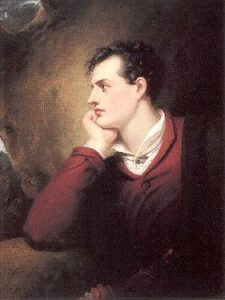
The poem
Fame, wisdom, love, and power were mine, And health and youth possessed me; My goblets blushed from every vine, And lovely forms caressed me; I sunned my heart in beauty' eyes, And felt my soul grow tender; All earth can give, or mortal prize, Was mine of regal splendour.
I strive to number o'er what days Remembrance can discover, Which all that life or earth displays Would lure me to live over. There rose no day, there rolled no hour Of pleasure unembittered; And not a trapping decked my power That galled not while it glittered.
The serpent of the field, by art And spells, is won from harming; But that which soils around the heart, Oh! who hath power of charming? It will not list to wisdom's lore, Nor music's voice can lure it; But there it stings for evermore The soul that must endure it.
How it is linked to the Romantic Period
‘All is vanity’, Saith the preacher, written by Lord Byron is a Shakespearean sonnet; accompanied by a rhyming couplet, which summarises his argument and justification about the current world being materialistic. Lord Byron’s poem creates an impression that the world is materialistic, and that nature itself should be more valued. ‘All is vanity’ corresponds with romantic ideals, as the Romantic Period believed in…
Read the whole comment‘All is vanity’, Saith the preacher, written by Lord Byron is a Shakespearean sonnet; accompanied by a rhyming couplet, which summarises his argument and justification about the current world being materialistic. Lord Byron’s poem creates an impression that the world is materialistic, and that nature itself should be more valued. ‘All is vanity’ corresponds with romantic ideals, as the Romantic Period believed in nature being divine and also using power of imagination to mediate between reality and visionary experience. They also considered the industrial revolution as the destroyer of beauty, nature and imagination. The poem relates to the world being filled with both sublime and beauty, which for the romantics the imagination was linked with the experience of both. Lord Byron’s poem illustrates these Romantic Ideals through his use of techniques, adverbs, adjectives and when he mentions the ‘unnatural art and spells:’ harming our world, which is linked to the industrial revolution harming the beauty and nature because of its materialistic outlook.
All is vanity explores Romantic Ideals through the use of techniques.
“But there it stings for evermore The soul that must endure it.” The use of Enjambment in the poem creates a sense of inevitability of time. This example relates to the concerns, of the Romantic Period, as the example emphasises materialism ‘stinging’ forever, and that the nature of the world must live through the pain, which then corresponds to the romantic ideals of disagreeing with the consequence of the industrial revolution on nature.