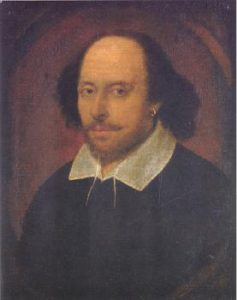
The poem
O truant Muse, what shall be thy amends For thy neglect of truth in beauty dyed? Both truth and beauty on my love depends; So dost thou too, and therein dignified. Make answer, Muse. Wilt thou not haply say, "Truth needs no colour with his colour fixed, Beauty no pencil, beauty's truth to lay, But best is best, if never intermixed"? Because he needs no praise, wilt thou be dumb? Excuse not silence so, for't lies in thee To make him much outlive a gilded tomb And to be praised of ages yet to be. Then do thy office, Muse; I teach thee how To make him seem, long hence, as he shows now.