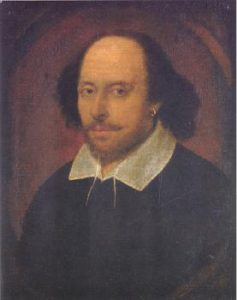
The poem
That time of year thou mayst in me behold, When yellow leaves, or none, or few do hang Upon those boughs which shake against the cold, Bare ruined choirs where late the sweet birds sang. In me thou seest the twilight of such day As after sunset fadeth in the west, Which by and by black night doth take away, Death's second self that seals up all in rest. In me thou seest the glowing of such fire That on the ashes of his youth doth lie As the death-bed whereon it must expire, Consumed with that which it was nourished by. This thou perceiv'st, which makes thy love more strong, To love that well which thou must leave ere long.
well i am sure it is a good and successful poem; however as my homework is to comment on it I CAN NOT UNDERSTAND IT!!!!!!!
explaination about sonnet 73:" that time of year thou mayst in me behold" (1609)