The poem
Ears in the turrets hear Hands grumble on the door, Eyes in the gables see The fingers at the locks. Shall I unbolt or stay Alone till the day I die Unseen by stranger-eyes In this white house? Hands, hold you poison or grapes?
Beyond this island bound By a thin sea of flesh And a bone coast, The land lies out of sound And the hills out of mind. No birds or flying fish Disturbs this island's rest.
Ears in this island hear The wind pass like a fire, Eyes in this island see Ships anchor off the bay. Shall I run to the ships With the wind in my hair, Or stay till the day I die And welcome no sailor? Ships, hold you poison or grapes?
Hands grumble on the door, Ships anchor off the bay, Rain beats the sand and slates. Shall I let in the stranger, Shall I welcome the sailor, Or stay till the day I die?
Hands of the stranger and holds of the ships, Hold you poison or grapes?
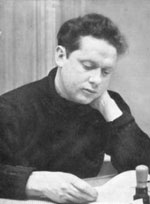
this poem shows fear and uncertainty, asking himself questions'shall i let in the stranger' Dylan is obviously contemplating what to do.
Some thoughts: the white house and island are metaphors for his actual body, so the gables and turrets are where his eyes and ears naturally sit. When I first read this I thought he was located somewhere inside of the house or on the island, but I believe he is the island. What are the flying birds, fish, rain, and ships? I, again, believe that since he is the island and house, welcoming sailors and ships onto the island don't mean in his vicinity or into his home, but into his heart or something similar.
Metaphor
The poet is using two metaphors without mixing them, both of them images of his whole person, not merely his body. His person as house can welcome the unknown hands at the door and take the risk of receiving poison or grapes; as island, where ships bring foreign, i.e. unknown, objects in their holds, will he take them into his being without knowing whether the goods are poison or grapes? Thomas seems to be probing the idea of responsible discernment or openminded acceptance of whatever comes his way, even if could be the death of him.