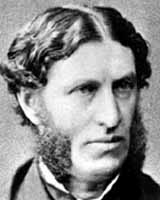
The poem
One lesson, Nature, let me learn of thee, One lesson which in every wind is blown, One lesson of two duties kept at one Though the loud world proclaim their enmity--
Of toil unsever'd from tranquility! Of labor, that in lasting fruit outgrows Far noisier schemes, accomplish'd in repose, Too great for haste, too high for rivalry.
Yes, while on earth a thousand discords ring, Man's fitful uproar mingling with his toil, Still do thy sleepless ministers move on,
Their glorious tasks in silence perfecting; Still working, blaming still our vain turmoil, Laborers that shall not fail, when man is gone.
Man against Nature Matthew Arnold is attempting to portray a very dramatic message to the readers in his Poem the Quiet Work. Arnold contrasts man’s nature’s toil to man’s labor. Nature is eternal and possesses natural tendencies which constantly are relied upon by man. Man also innately carries certain characteristics which ideally should be used to better society. Man’s purpose is extracted from nature that just…
Read the whole commentMan against Nature
Matthew Arnold is attempting to portray a very dramatic message to the readers in his Poem the Quiet Work. Arnold contrasts man’s nature’s toil to man’s labor. Nature is eternal and possesses natural tendencies which constantly are relied upon by man. Man also innately carries certain characteristics which ideally should be used to better society. Man’s purpose is extracted from nature that just as nature constantly labors and provides so should man.
Man relies on nature to have certain tendencies. Wind blows, sun shines, grass grows yet man does not think that this comes through any toil. Nature does what nature does is the rational thought process of most. “One lesson, Nature, let me learn of thee,” (594.1) Nature has but one lesson to teach to man, “One lesson which in every wind is blown,”(594.2) Every thing which nature does is to teach man one lesson, the lesson of exertion.
Just as nature constantly works and is reliable subsequently, man should be too. However man is not. Man complains about his labor “Man’s fitful uproar mingling with his toil,”(594.10) although man works man does not feel obligated to do so. Man is causing uproar with his labor; he is irritable and is not as reliable as nature. But as man is complaining “Still do thy sleepless ministers move on,” (594.11) nature continues working as it always does. Nature is sleepless; nature does not take a break from its exhausting job. “Laborers that shall not fail, when man is gone” Nature will still be working, and toiling when man has already quit.
The Quiet Work has an important message for man. Man’s job is to toil just as nature does. Man should work to benefit society to the best of man’s ability. But when man fails, the laborers of nature will not.
My understanding of the lesson:
The difference between Man's Toil and Nature's Toil is this. Man's toil's noisy; Nature's tranquil. And that's what the poet wants man to emulate.