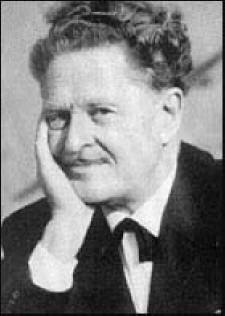
The poem
You waste the attention of your eyes, the glittering labour of your hands, and knead the dough enough for dozens of loaves of which you'll taste not a morsel; you are free to slave for others-- you are free to make the rich richer.
The moment you're born they plant around you mills that grind lies lies to last you a lifetime. You keep thinking in your great freedom a finger on your temple free to have a free conscience.
Your head bent as if half-cut from the nape, your arms long, hanging, your saunter about in your great freedom: you're free with the freedom of being unemployed.
You love your country as the nearest, most precious thing to you. But one day, for example, they may endorse it over to America, and you, too, with your great freedom-- you have the freedom to become an air-base.
You may proclaim that one must live not as a tool, a number or a link but as a human being-- then at once they handcuff your wrists. You are free to be arrested, imprisoned and even hanged.
There's neither an iron, wooden nor a tulle curtain in your life; there's no need to choose freedom: you are free. But this kind of freedom is a sad affair under the stars.
I am interested in analyzing this poem but only have a vague idea of the poet’s main message. Initially, I believed that the message was how we, as average citizens are free to do whatever we please but I would like to know if other readers found a deeper, possibly more negative meaning. Any help would be greatly appreciated.
Perhaps the worst kind of freedom is freedom that looks like it: mocking us, mocking our deeper disquiet that there is indeed no freedom.
Influenced no doubt by his political views and his experiences of imprisonment, I think Nazim is arguing that freedom can be seen as a negative as well as a positive. Therefore we are free to be exploited, abused and ultimately destroyed. Interestingly in the west Erich Fromm was making a similar point around this time, wtih 1942's Fear of Freedom.