The poem
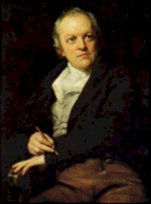
HEAR the voice of the Bard, Who present, past, and future, sees; Whose ears have heard The Holy Word That walk'd among the ancient trees;
Calling the lapsed soul, And weeping in the evening dew; That might control The starry pole, And fallen, fallen light renew!
'O Earth, O Earth, return! Arise from out the dewy grass! Night is worn, And the morn Rises from the slumbrous mass.
'Turn away no more; Why wilt thou turn away? The starry floor, The watery shore, Is given thee till the break of day.'
Intro to the Songs of Experience. Blake uses the all- knowing devise to establish the authority of the Bard. The Bard is the witness from Present, Past and Future (a common expression used by Blake); he is alert to the soul's desire to control its direction (that might control the starry pole)and witnesses the weeping in the evening dew. There is a gentleness and tone of urgency that the time of hope is limited (is…
Read the whole commentIntro to the Songs of Experience. Blake uses the all- knowing devise to establish the authority of the Bard. The Bard is the witness from Present, Past and Future (a common expression used by Blake); he is alert to the soul's desire to control its direction (that might control the starry pole)and witnesses the weeping in the evening dew. There is a gentleness and tone of urgency that the time of hope is limited (is giv'n thee till the break of day). There are observations and questions that are balanced wonderfully: "Turn away no more: Why wilt thou turn away?" Reason and experience are the two means of attacting the attention of the one being sought. By establishing credibility early on, the Bard hopes that the listener will yield and be restored to fulness.
In some ways the Bard's call reminds me of God reaching out to Adam and Eve after the "Fall". Ultimately, the couple are evicted from the perfect world of Eden, but God makes a promise that the seed of the woman will bring restoration. The Bard wants the listener restored, and the only option for this restoration is the first yielding to "the way", the "turn way no more"--the willingness to just change course and follow in the instruction/revelation that the Bard wants to share.