The poem
Love seeketh not Itself to please. Nor for itself hath any care; But for another gives its ease. And builds a Heaven in Hells despair.
So sung a little Clod of Clay, Trodden with the cattle's feet; But a Pebble of the brook. Warbled out these metres meet.
Love seeketh only Self to please, To bind another to Its delight; Joys in anothers loss of ease. And builds a Hell in Heavens despite.
The Clod and the Pebble have extremely different contrasting views on love. Clod views it as compassionate while the Pebble sees love as a selfish emotion. The Clod of dirt represents innocence or a child. The pebble represents experience.
The clod of clay represents representing a lowly being. It sees love as compassionate because, being poor, the clod has nothing to treasure except for love – even if love does treat it badly. The cows trampling it may represent love trampling all over the clod and using it. Similarly, it may represent a lover using the clod and treating it with contempt. The clod has such a bad life that love is the only thing that…
Read the whole commentThe clod of clay represents representing a lowly being. It sees love as compassionate because, being poor, the clod has nothing to treasure except for love – even if love does treat it badly. The cows trampling it may represent love trampling all over the clod and using it. Similarly, it may represent a lover using the clod and treating it with contempt. The clod has such a bad life that love is the only thing that it has to look forward to and it admires love so much that it thinks love is always giving and kindhearted. The use of the word ‘clay’ instead of dirt draws the reader’s attention to the fact that clay is easily moulded and the clod has been shaped to believe love is a benevolent emotion. Additionally, this image can be perceived is the clod being an innocent or an inexperienced child who has not yet known love.
On the other hand, the pebble has a much more calm life and is much more experienced. It has obviously had a bad experience with love and has judged it as spiteful and selfish. The use of a pebble suggests that it has been hardened to the appeal of love – it is not easily moulded, as the clod is, and is rather happy to have its own opinion of love.
This poem portrays two very different perceptions of love, one by the pebble and one by the clod. The use of the term clod leads the reader to have a mental image of a lump of earth, and hence mouldable. The clod has a very benevolent image of love entrenched in its mind. It has the impression that love is unselfish and cares -- "Love seekth not itself to please,/Nor for itself hath any care". It also has the…
Read the whole commentThis poem portrays two very different perceptions of love, one by the pebble and one by the clod.
The use of the term clod leads the reader to have a mental image of a lump of earth, and hence mouldable. The clod has a very benevolent image of love entrenched in its mind. It has the impression that love is unselfish and cares -- "Love seekth not itself to please,/Nor for itself hath any care". It also has the impression that love is a release, a warm embrace in contrast to this cold world that we live in, bringing paradise down to this cruel world -- "But for another gives it ease,/And builds a Heaven in Hell's despair".
The pebble here in this poem however, has a very different take on love. It is also noted that the image of the pebble gives the reader an image of a rock which has been smoothed by the movement of debbris rubbing against it, attacking it, perhaps symbolising a person in today's cold and harsh society where circumstances and past experiences have constantly bombarded him/her. Here, the pebble sees love as selfish and, in the process, limiting and suffocating, bringing unhappiness to a place which would have been paradise without it -- "Love seekth only Self to please,/To bind another to its delight,/Joys in another's loss of ease,/And builds a Hell in Heaven's despite".
However in this poem, the poet says that the "little Clod of Clay/Trodden with the cattle's feet", this could be the opinion of the poet, that the clod, like the many naive innocents we see, has suffered because of love and yet still goes on believing that love is all pure and unselfish, goes on believing in that benevolent imgae of love that it has. Whereas the pebble, in comparison much more experienced and attuned to the workings of love, is aware of the hurt, selfishness and suffocation love brings and the true form that it exists in.
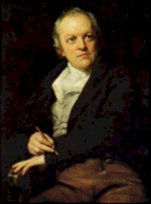
The poet William Blake leaves the pebble's words to the last perhaps to further enhance the effects of those words as it leaves the reader with the phrases resounding in his/her mind.
This poem is thus essentially pointing out the opinion of the poet that love is not what the naive and innocent make it out to be, it is not all that unselfish and a refuge, instead, the poet is perhaps trying to tell us that love really is selfish and not liberating as the innocents might claim it to be.
janet's teacher didn't appreciate her decision to mitch his period to test out the theory that hardcore love was better than soft cuddly love. she is currently experiencing some rough and ready love in study with her teacher.
this is a wounderful poem
This is a great poem if you are looking at love as your theme for the synoptic paper for A2 English
man the bulldogs are awesome and so are arsenal.